Discovering Morocco Through Guided Cultural Journeys
Morocco’s rich cultural heritage attracts 13.2 million visitors annually, with cultural tourism representing 78% of all visits according to the Ministry of Tourism’s 2024 report. Guided cultural experiences unlock authentic interactions with Berber communities, traditional artisans, and centuries-old customs across imperial cities and remote villages.
How do you distinguish genuine cultural immersion from tourist-focused attractions? Professional Morocco cultural holiday packages provide expert local guides who facilitate real connections with Morocco’s living traditions, ensuring your journey reveals the country’s authentic soul rather than surface-level experiences.
A lire également : How can you participate in a historical walking tour of medieval castles in Sussex?
Imperial Cities: Gateways to Morocco’s Cultural Heritage
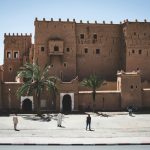
Morocco’s four imperial cities stand as magnificent testimonies to centuries of dynastic rule and cultural refinement. Each former capital—Marrakech, Fès, Meknès, and Rabat—offers distinct architectural marvels and deeply rooted traditions that continue to captivate discerning travelers seeking authentic cultural immersion.
Marrakech enchants visitors with its vibrant Jemaa el-Fnaa square and the architectural splendor of Bahia Palace, while Fès preserves the world’s largest car-free urban area within its UNESCO-listed medina. The imperial grandeur of Meknès reveals itself through Bab Mansour’s intricate tilework, and Rabat harmoniously blends ancient Oudaya Kasbah with contemporary Moroccan sophistication.
En parallèle : Secure your roman forum tickets: explore ancient wonders
Navigating these cultural treasures requires specialized expertise to unlock hidden courtyards, artisan workshops, and centuries-old libraries that casual visitors often miss. Expert local guides reveal the intricate stories behind geometric patterns, explain the significance of architectural details, and provide access to private collections that illuminate Morocco’s rich intellectual heritage.
These living museums offer immersive experiences where traditional craftsmanship thrives alongside modern Moroccan life, creating unforgettable encounters with authentic cultural heritage.
Fès: The Spiritual Heart of Authentic Morocco
Fès stands as Morocco’s spiritual capital, where centuries-old traditions flourish within the world’s largest car-free urban zone. This imperial city houses Al Quaraouiyine, recognized by UNESCO as the oldest continuously operating university in the world, founded in 859 AD by a visionary woman named Fatima al-Fihri.
The medina of Fès el-Bali pulses with authentic craftsmanship that has remained unchanged for generations. Master artisans still practice traditional techniques passed down through family lines, from intricate zellige tilework to hand-woven carpets. The famous Chouara Tanneries continue their leather-making process using methods dating back to the 11th century.
Our exclusive access grants you behind-the-scenes experiences in artisan workshops, where you can observe potters shaping clay on ancient wheels and metalworkers hammering geometric patterns into brass. These intimate encounters reveal the soul of Moroccan craftsmanship, offering insights impossible to gain through conventional tourism.
The spiritual dimension of Fès extends beyond its renowned religious schools. Walking through the narrow alleyways at dawn, you’ll hear the morning call to prayer echoing from over 300 mosques, creating a profound sense of connection to Morocco’s living heritage.
Immersive Culinary Experiences: Taste the Soul of Morocco
Morocco’s culinary heritage tells the story of centuries-old traditions passed down through generations. Beyond the famous tagines and couscous, authentic Moroccan cuisine reveals the country’s rich cultural tapestry through regional specialties and time-honored cooking techniques.
Our curated culinary experiences connect you directly with local communities, offering genuine encounters that transform your understanding of Moroccan gastronomy. From bustling souks to intimate family kitchens, each experience unveils the secrets behind Morocco’s most cherished recipes.
- Traditional cooking classes with local chefs in authentic riads, learning to prepare tagines, pastillas, and fresh bread in traditional wood-fired ovens
- Guided souk tours through Marrakech and Fez markets, discovering exotic spices, seasonal ingredients, and traditional cooking utensils with expert local guides
- Regional tasting experiences featuring Berber specialties in the Atlas Mountains, coastal seafood in Essaouira, and desert nomad cuisine in the Sahara
- Family homestays with Berber families, sharing authentic meals prepared using generations-old recipes and learning about traditional food preservation methods
- Artisanal workshops including bread baking in communal ovens, olive oil pressing sessions, and argan oil production with local women’s cooperatives
Each culinary journey is carefully designed to respect local traditions while providing you with hands-on learning opportunities that create lasting memories and genuine cultural connections.
Customizing Your Cultural Journey: Tailored Experiences
Every traveler brings unique passions and curiosities to Morocco. Your fascination with traditional craftsmanship might lead you deep into the artisan quarters of Fez, while another visitor seeks the rhythmic beats of Gnawa music in Essaouira. The beauty of cultural travel lies in crafting experiences that resonate with your personal interests.
Expert local guides serve as cultural interpreters, adapting their storytelling to match your group’s dynamics. Families with young children might explore the vibrant souks through treasure hunts and hands-on pottery workshops. Adult travelers often prefer intimate conversations with master craftsmen or private access to historical sites during quieter hours.
The flexibility extends to pacing and depth. Some visitors want comprehensive overviews of imperial cities, while others prefer immersive experiences in fewer locations. Whether you’re drawn to architectural marvels, culinary traditions, or spiritual heritage, your itinerary evolves around your curiosities rather than rigid schedules.
This personalized approach transforms standard sightseeing into meaningful cultural exchanges, ensuring every moment aligns with your travel aspirations and creates lasting memories.
UNESCO World Heritage Sites: Preserving Morocco’s Legacy
Morocco’s nine UNESCO World Heritage sites represent centuries of cultural preservation and architectural mastery. From the ancient Roman ruins of Volubilis to the intricate medina of Fez, these protected treasures offer glimpses into civilizations that shaped North African history.
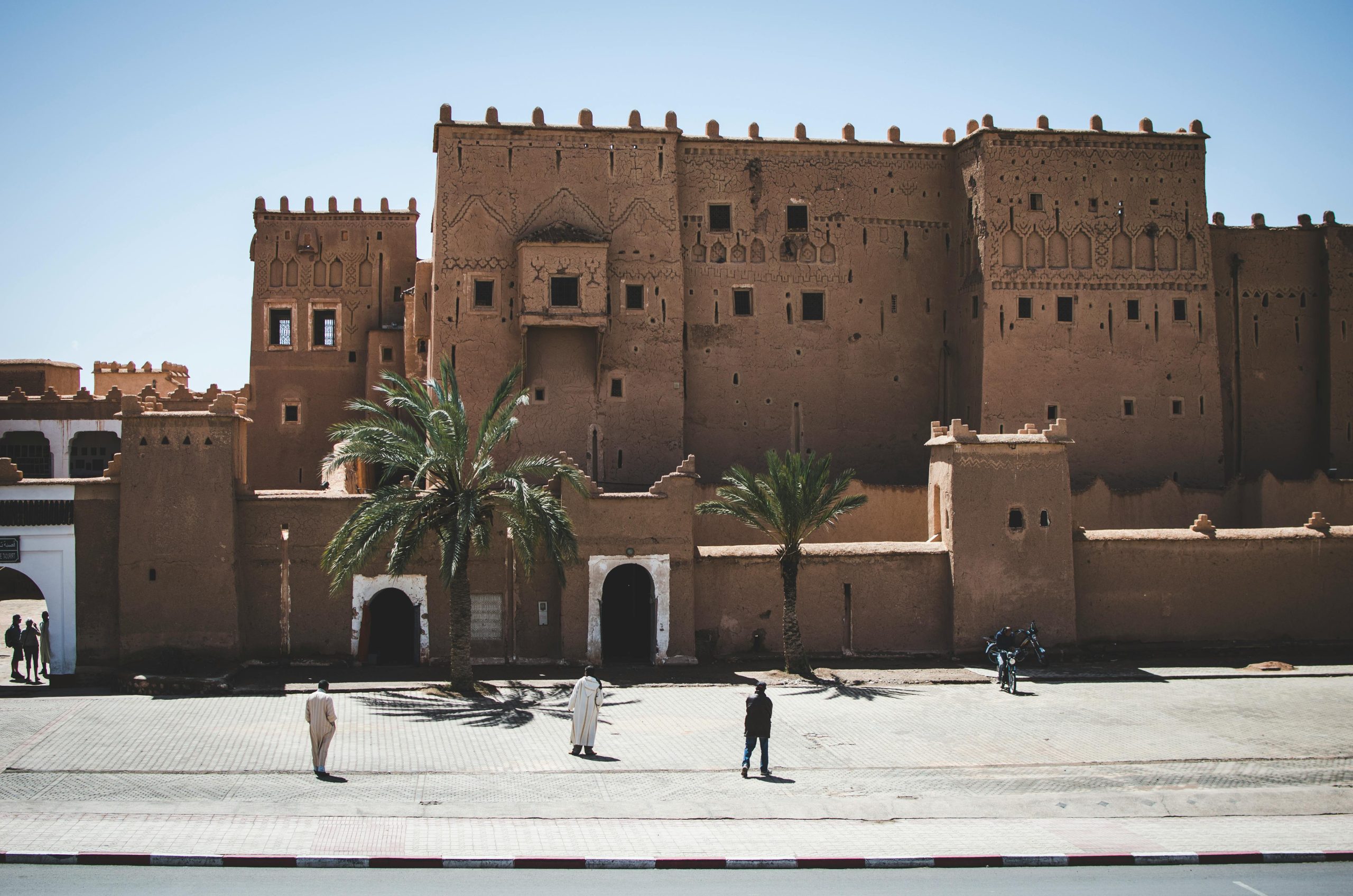
Expert guides provide exclusive access to restricted areas within these sites, revealing stories and details that casual visitors never discover. At the Ksar of Ait-Ben-Haddou, specialized guides explain traditional earthen architecture techniques still used today. In Meknes, they unlock access to private sections of the imperial city where sultans once held court.
This privileged access transforms your visit from mere sightseeing into genuine cultural education. Local historians share oral traditions passed down through generations, while conservation specialists explain ongoing preservation efforts. You’ll understand not just what you’re seeing, but why these sites matter to Morocco’s national identity.
The impact extends beyond tourism. Revenue from heritage tourism directly funds restoration projects, ensuring these cultural landmarks survive for future generations while supporting local communities who serve as their guardians.
Questions About Your Moroccan Cultural Adventure
What are the best cultural sites to visit in Morocco?
The Medina of Fez, Koutoubia Mosque in Marrakech, Hassan II Mosque in Casablanca, and the ancient Roman ruins of Volubilis represent Morocco’s most significant cultural treasures, each offering unique historical insights.
How much do cultural tours in Morocco typically cost?
Cultural tours range from $100-200 per day for group experiences to $300-500 daily for premium private tours including expert guides, UNESCO site access, and authentic cultural immersion activities.
What should I expect from a Moroccan cooking class experience?
Hands-on preparation of traditional tagines and couscous in local homes or riads, market visits for fresh ingredients, and sharing meals with Moroccan families for an authentic culinary journey.
Which Imperial Cities in Morocco are worth visiting?
All four Imperial Cities offer distinct experiences: Fez for medieval architecture, Marrakech for vibrant souks, Meknes for royal palaces, and Rabat for modern Moroccan culture and coastal charm.
Can I customize a cultural tour in Morocco for my family?
Absolutely. We design family-friendly itineraries with interactive workshops, child-appropriate historical sites, and flexible schedules accommodating different ages while maintaining authentic cultural experiences for everyone.
What premium services enhance your cultural experience?
Our premium offerings include private historian guides, exclusive after-hours access to monuments, traditional hammam experiences, and personalized artisan workshops with master craftsmen in authentic settings.